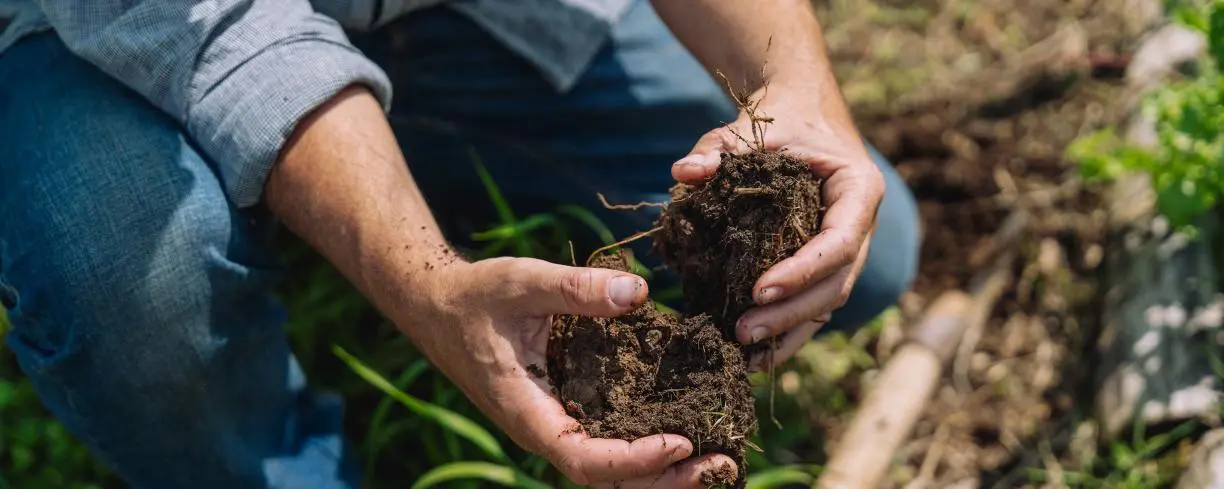
Among the results of RegeneraCat, the scientific team highlights that products obtained through regenerative techniques increase the concentration of certain nutrients and are therefore healthier. "There are few studies that have evaluated the nutritional density of foods obtained through regenerative techniques," says Dolores Raigón, a researcher at the Polytechnic University of Valencia and an expert in nutritional analysis.
For example, in the case of Verdcamp Fruits , a higher mineral content and antioxidant substances have been detected in the regenerative pumpkins , "in addition there is also a higher concentration of the substances responsible for the sweet taste," adds the researcher.
Similarly, Pomona Fruits pears stand out for their balanced concentration of acids and total sugars, "making them more balanced in flavor—neither too sweet nor too acidic," explains Dolores Raigón. Like pumpkins, these regenerative pears also have a higher polyphenol content and twice the antioxidant capacity , "all of which helps reduce cellular oxidative stress and promotes greater protection against disease."
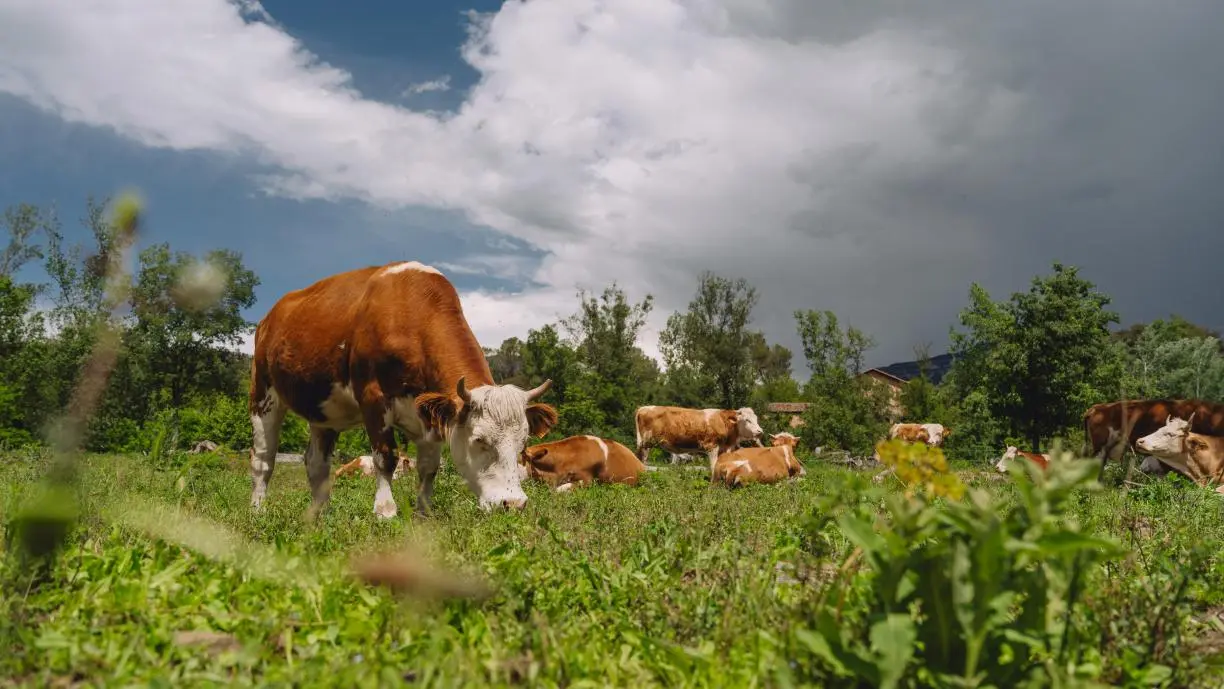
Meanwhile, milk from cows on the regenerative farms in Planeses shows a significantly lower atherogenic index . “This means there are fewer fatty acids associated with plaque formation in the arteries,” the expert adds. In the case of regenerative yogurt, the results are even more positive, as it shows lower atherogenic and thrombogenic indices—the latter measuring the tendency of fats to promote blood clot formation. “In general, this is associated with a healthier lipid profile, with a lower risk of cardiovascular disease and thrombus formation.”