Research group
Active
PROTECSOLS
Soil Protection

Creaf leader

Participant

Participant

Participant

Participant

Participant

Participant

Participant

Participant

Participant

Participant
The “Soil Protection” group, a Research Group of the Government of Catalonia with file number 2021 SGR 01038, is made up of 16 members, 10 of whom hold doctoral degrees. They specialize in Soil Science, Biology, Environmental Sciences, and Geology, with research focused on the study and conservation of soil and its environmental and social functions. The members belong to CREAF, the Autonomous University of Barcelona, the University of Barcelona, and the Cartographic and Geological Institute of Catalonia.
As a group, we combine basic and applied research, which is reflected in competitive national and European research projects, as well as research contracts with public and private institutions. Our scientific activity is organized into six main research objectives:
1) Understanding soil as a living natural system, including soil‑forming processes, taxonomic classification, soil quality assessment, land‑use evaluation, soil mapping.
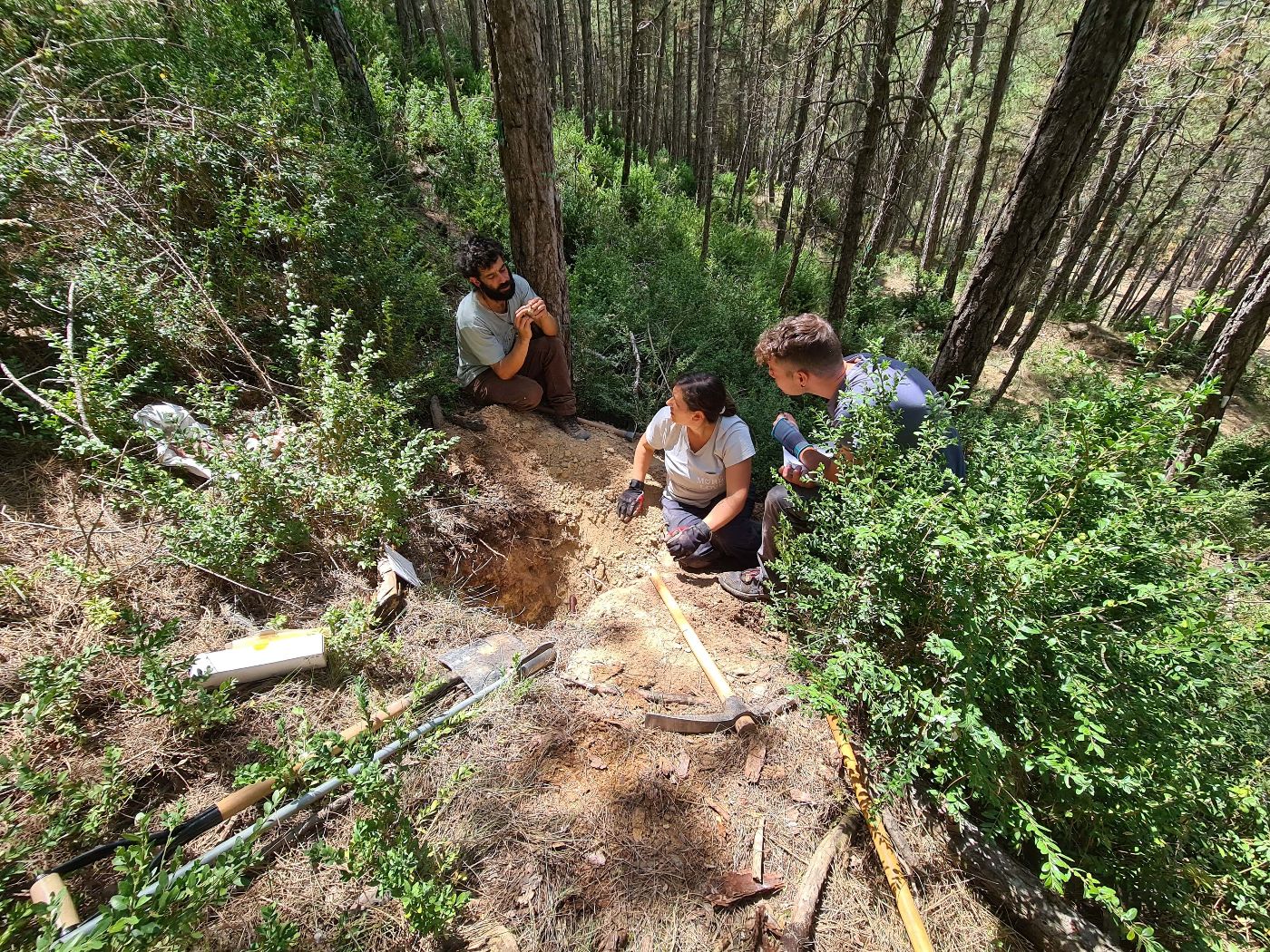
Figure 1.1. Description of a soil profile in Llobera (Solsonès).
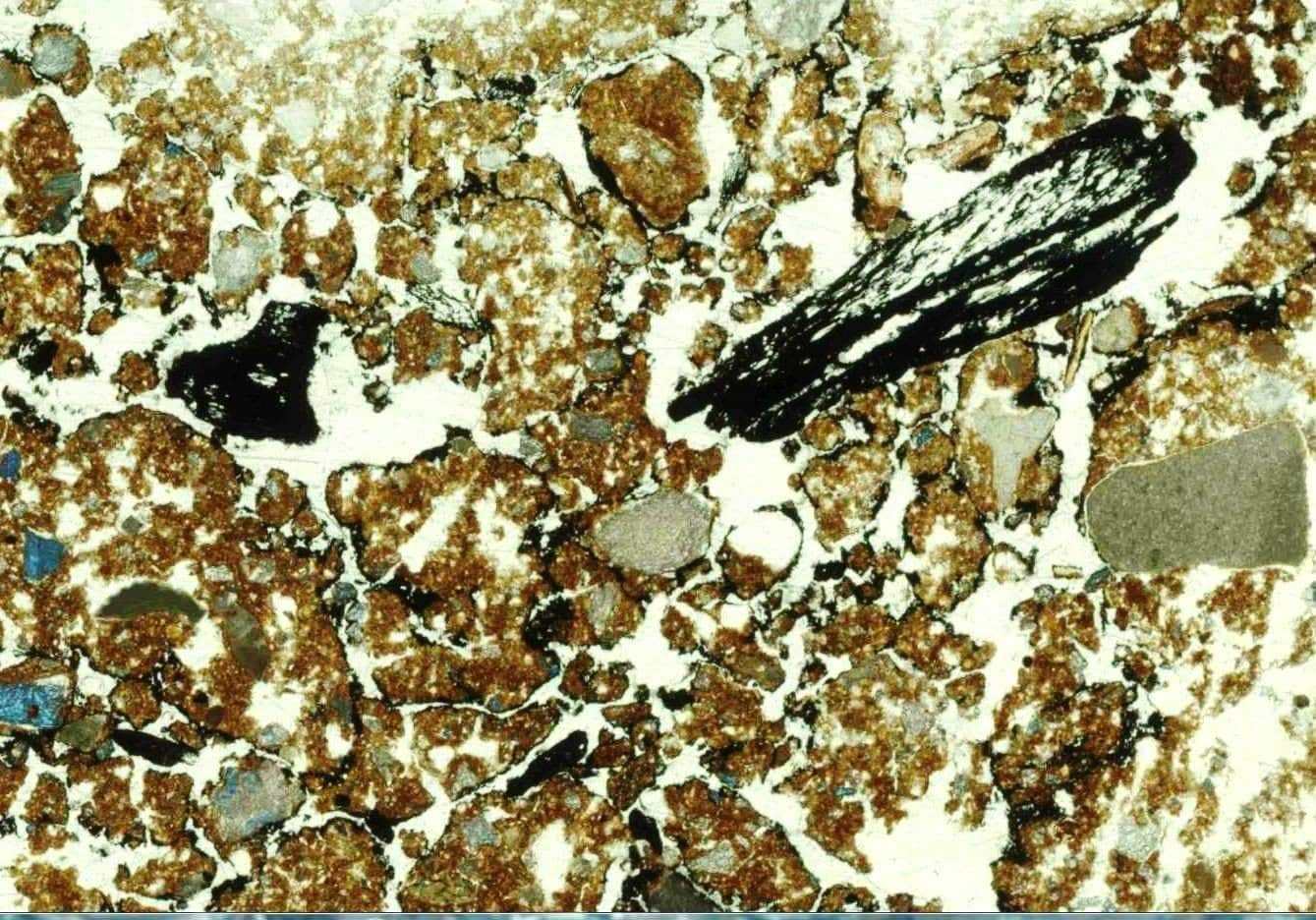
Figure 1.2. Thin section of a sample of a Fluvisol (Caldes de Montbui) amended with pyrolyzed pine wood (biochar).
2) Soil processes under climate change: We study how climate change—especially warming and drought—transforms soil functioning, carbon sequestration, and nutrient cycling in terrestrial ecosystems, with special attention to the most vulnerable systems. We focus on soil microbial physiology and key biogeochemical processes, combining long-term field experiments, laboratory incubations, isotopic techniques, and integrative analysis of data across different climatic regions to understand ecosystem resilience to environmental stress..
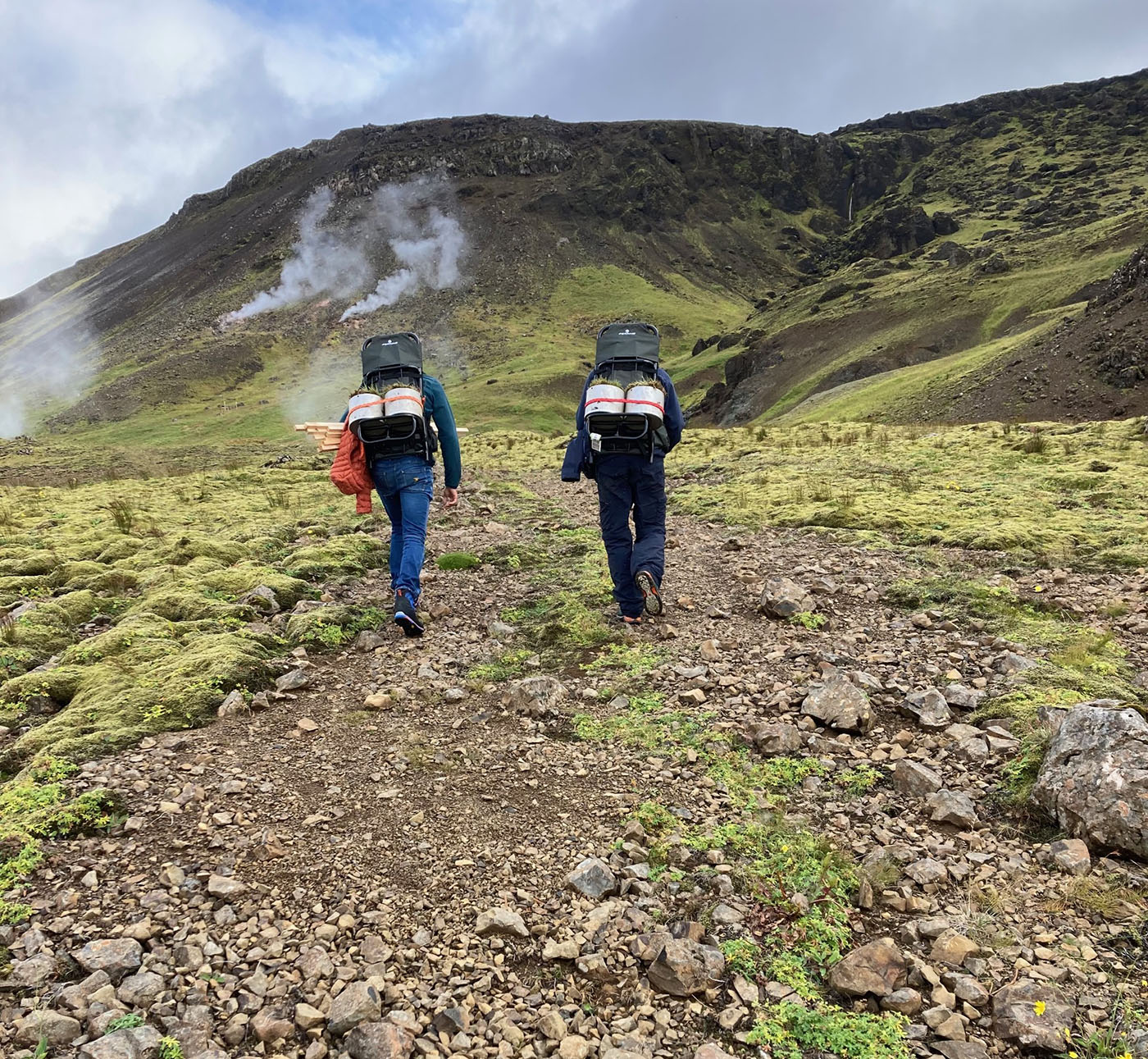
Figure 2.1: Researchers from the PROTECSOLS group in a soil sampling campaign in Iceland.
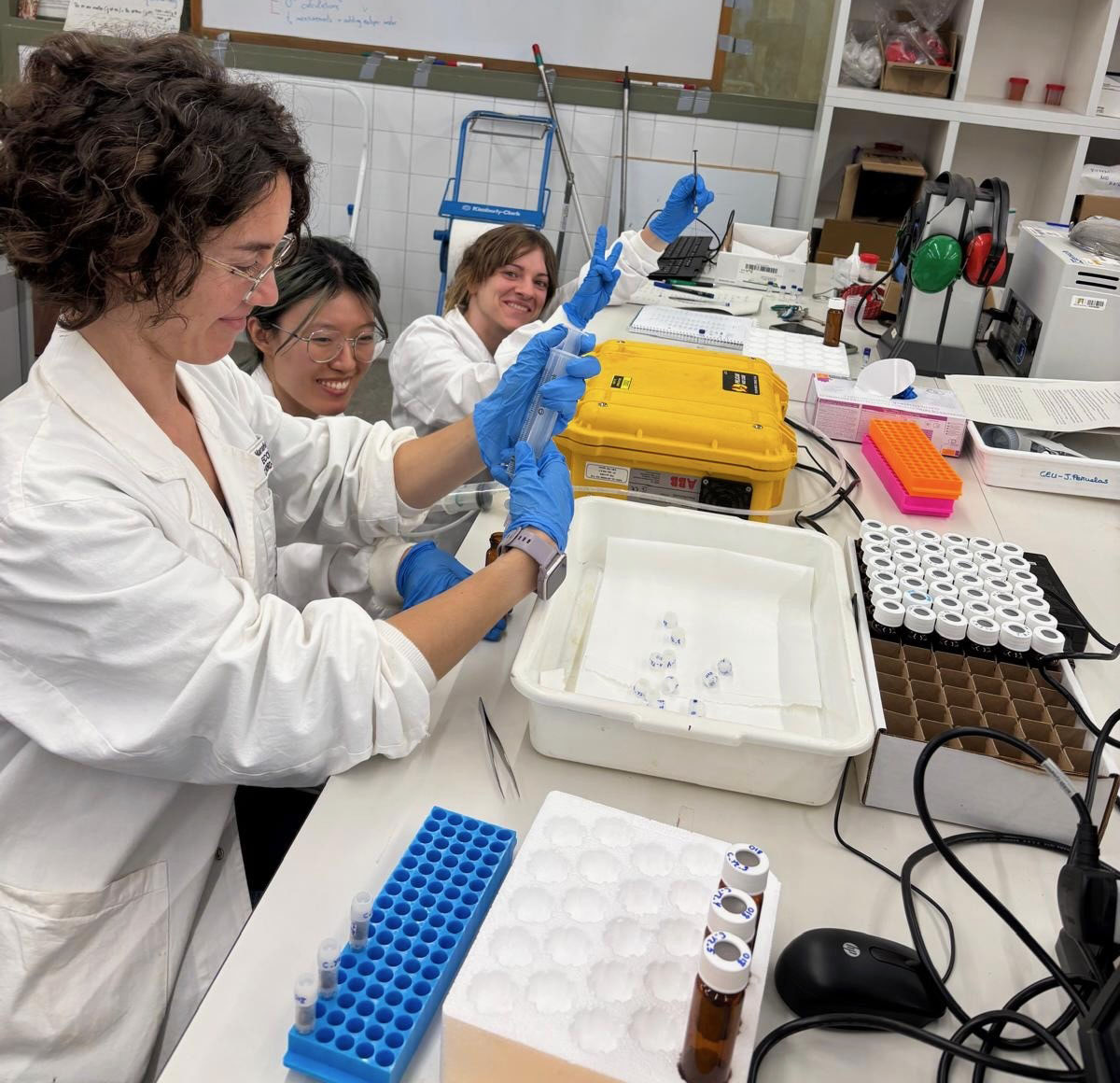
Figure 2.2: Researchers from the PROTECSOLS group use isotopic techniques in the laboratory to determine the carbon use efficiency (CUE) of soil microorganisms.
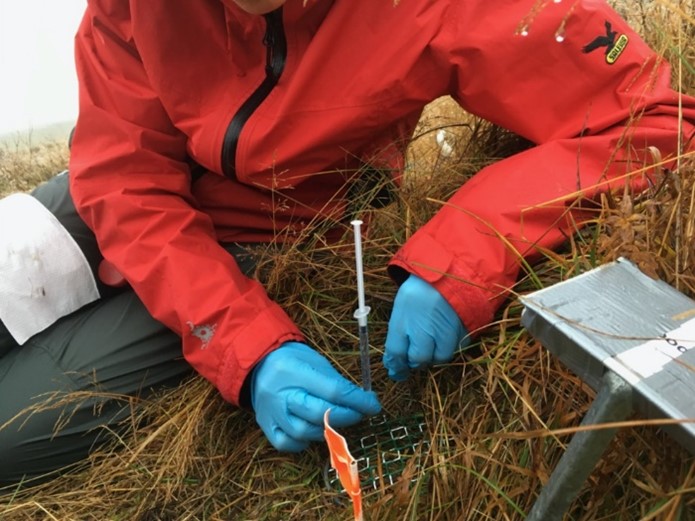
Figure 2.1. Injection of a 15N-labeled amino acid solution to determine the fate of the nitrogen..
3) Improving soil ecosystem services, especially their role in climate regulation, food security, and human well‑being, in natural, agricultural, and urban environments.
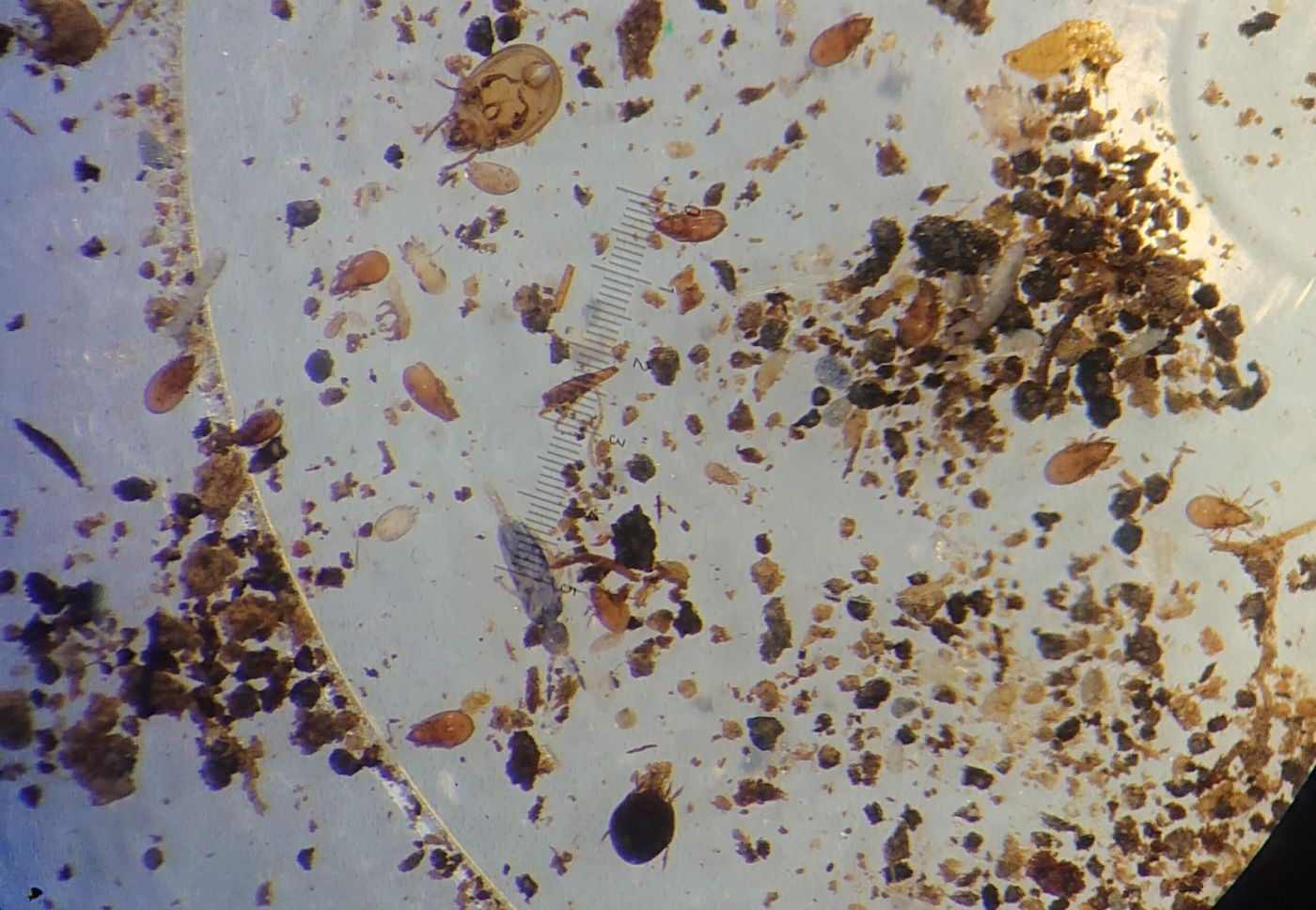
Figure 3.1. Magnified view of soil microarthropods.
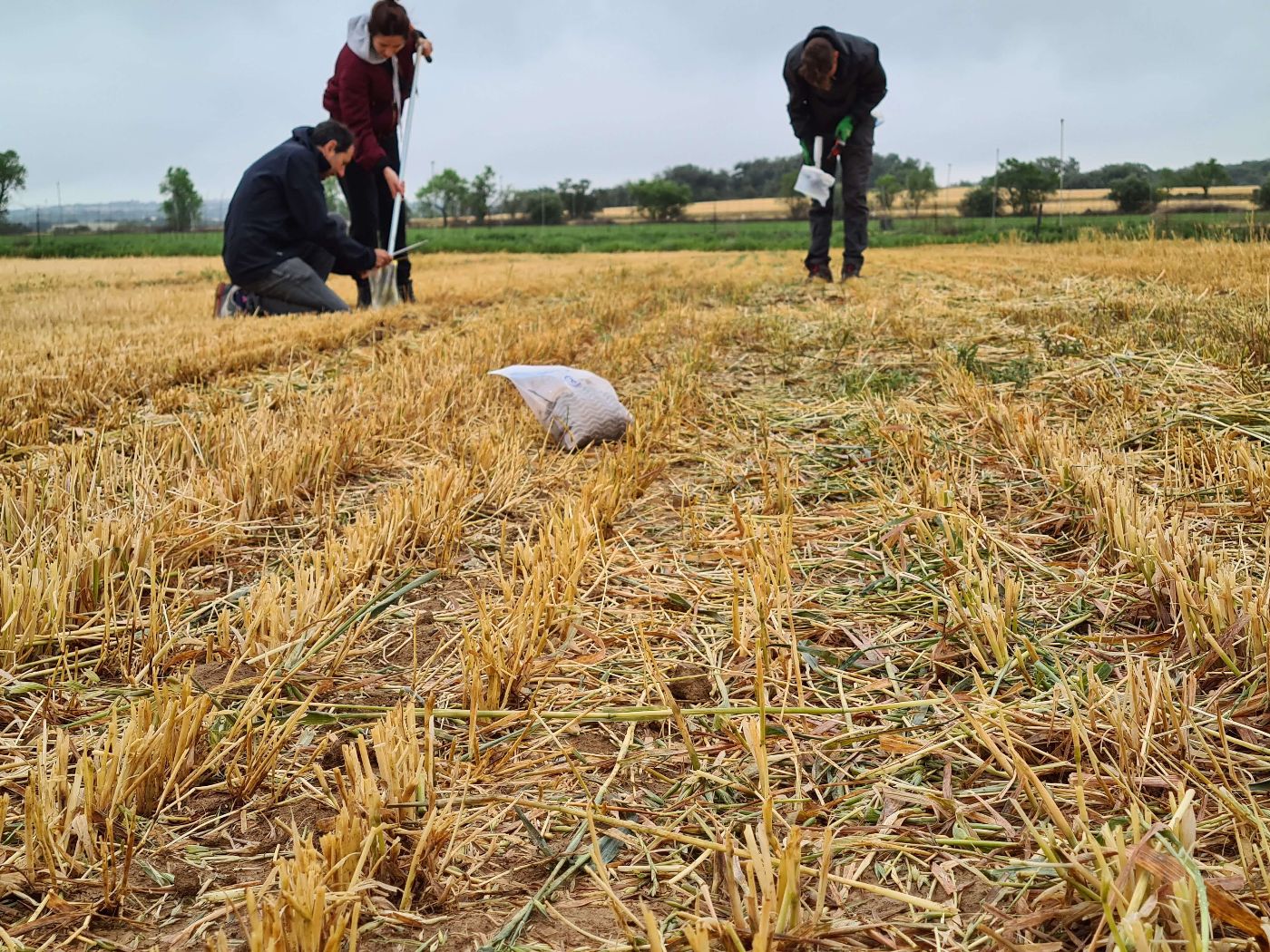
Figure 3.2. Soil sampling in a barley field with direct seeding in Agramunt.
4) Preventing, mitigating, and reversing soil degradation caused by contamination, agriculture, mining, road infrastructure, or wildfires, through soil and ecosystem restoration. We use edaphic indicators to measure risk or evaluate the success of soil rehabilitation, with a special interest in changes in biological activity. We contribute to the knowledge of the potential of innovative organic waste in agriculture and the rehabilitation of degraded soils. We also build technosols (custom soils) for the restoration of specific habitats or to create a mosaic of habitats to maximize ecosystem services.
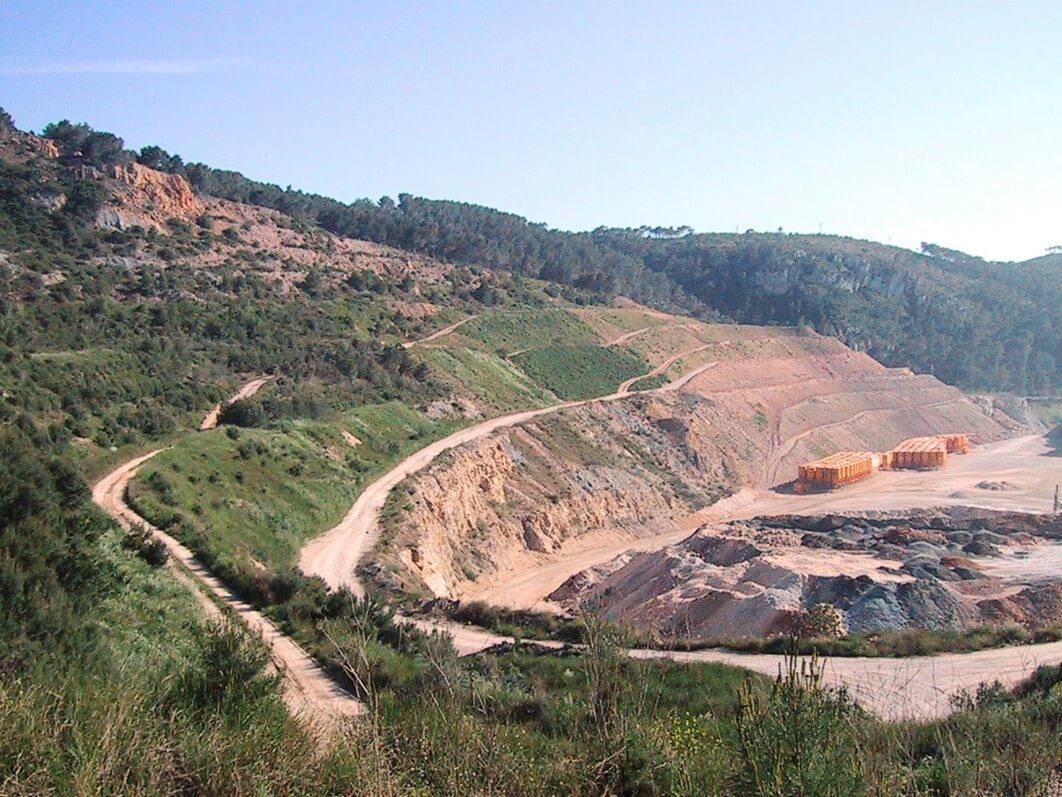
Figure 4.1. Extractive activity restored using technosols and revegetation techniques.
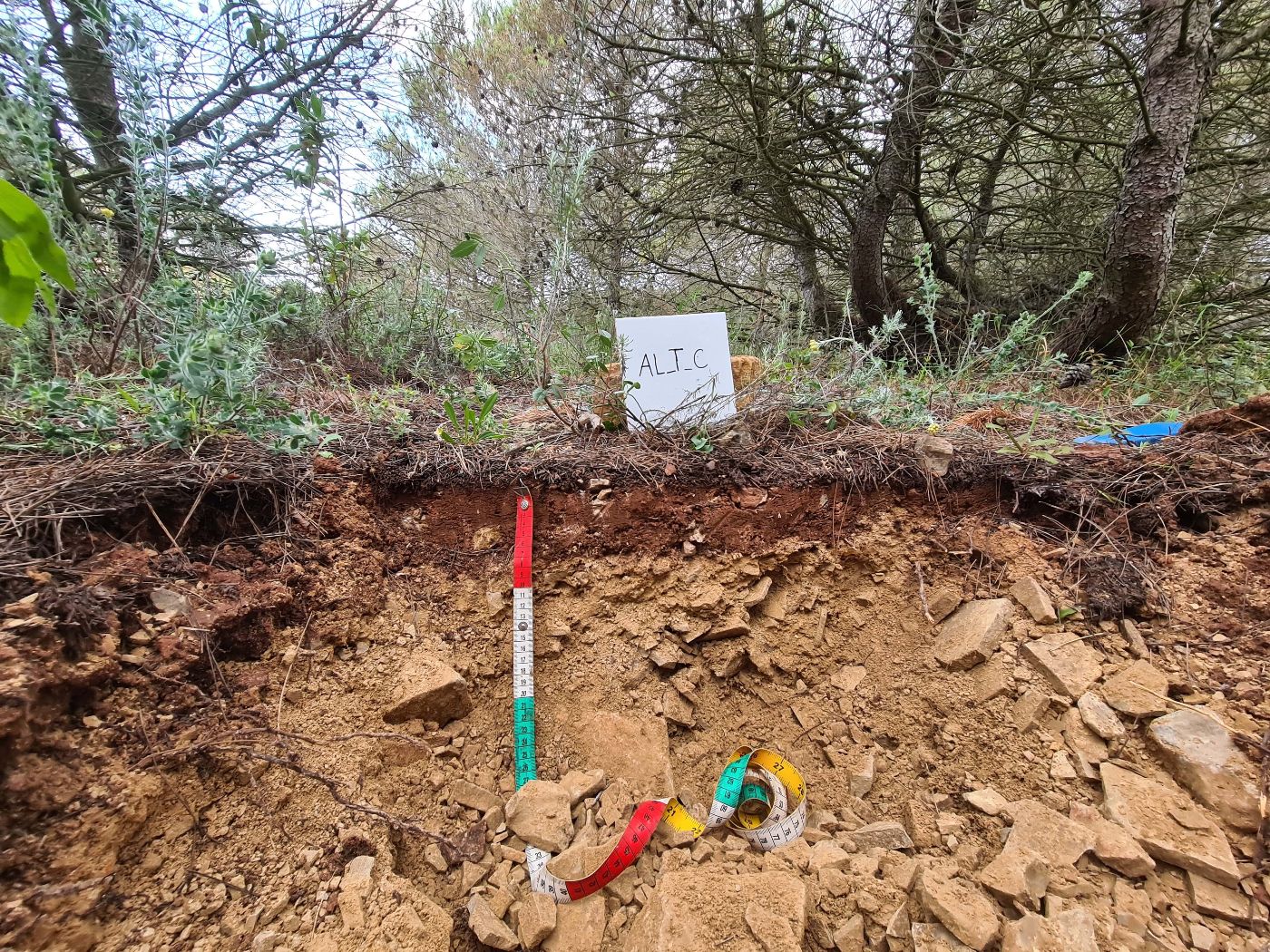
Figure 4.2. Technosol after 25 years in Mont-Ral (Alt Camp).
5) Remediating contaminated soils and studying the ecotoxicity of pollutants and residues.
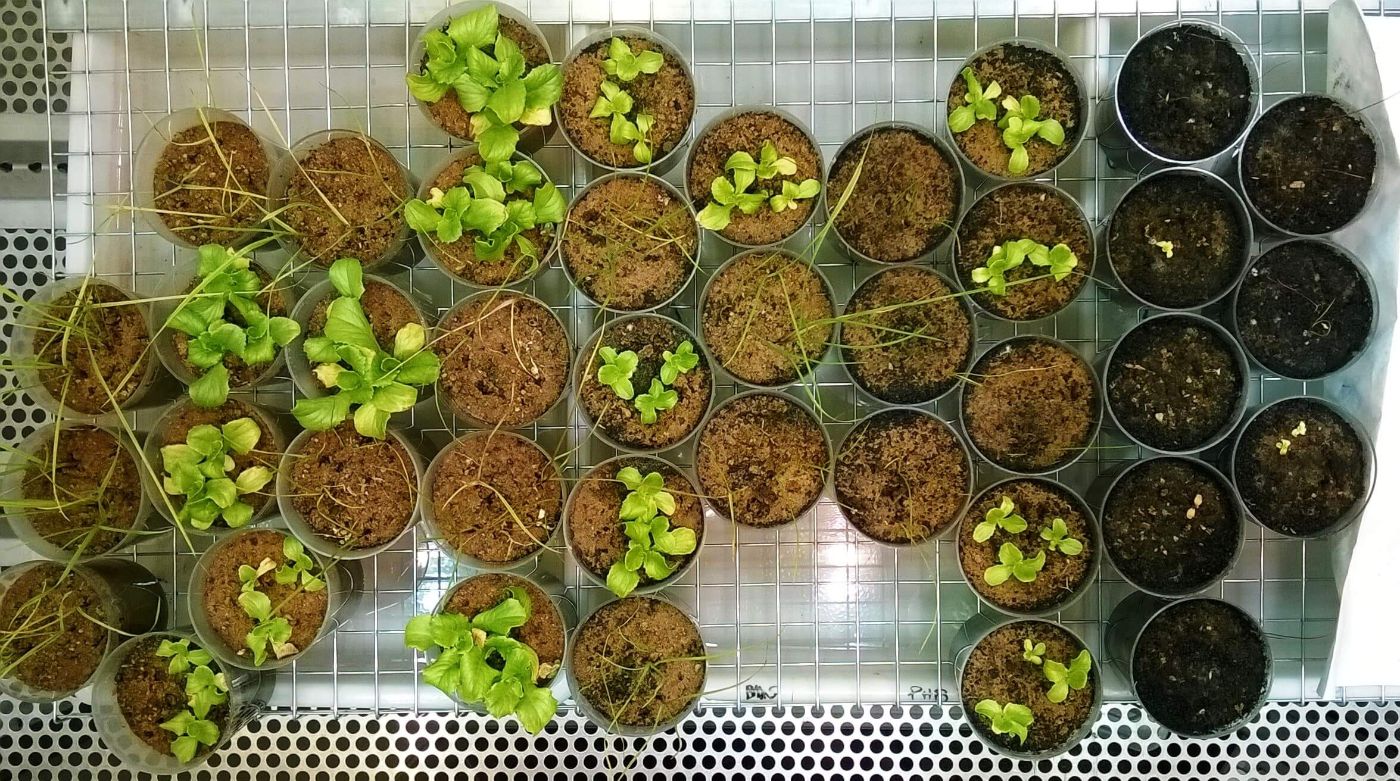
Figure 5.1. Plant-based ecotoxicological assay to determine the toxicity of biochar.
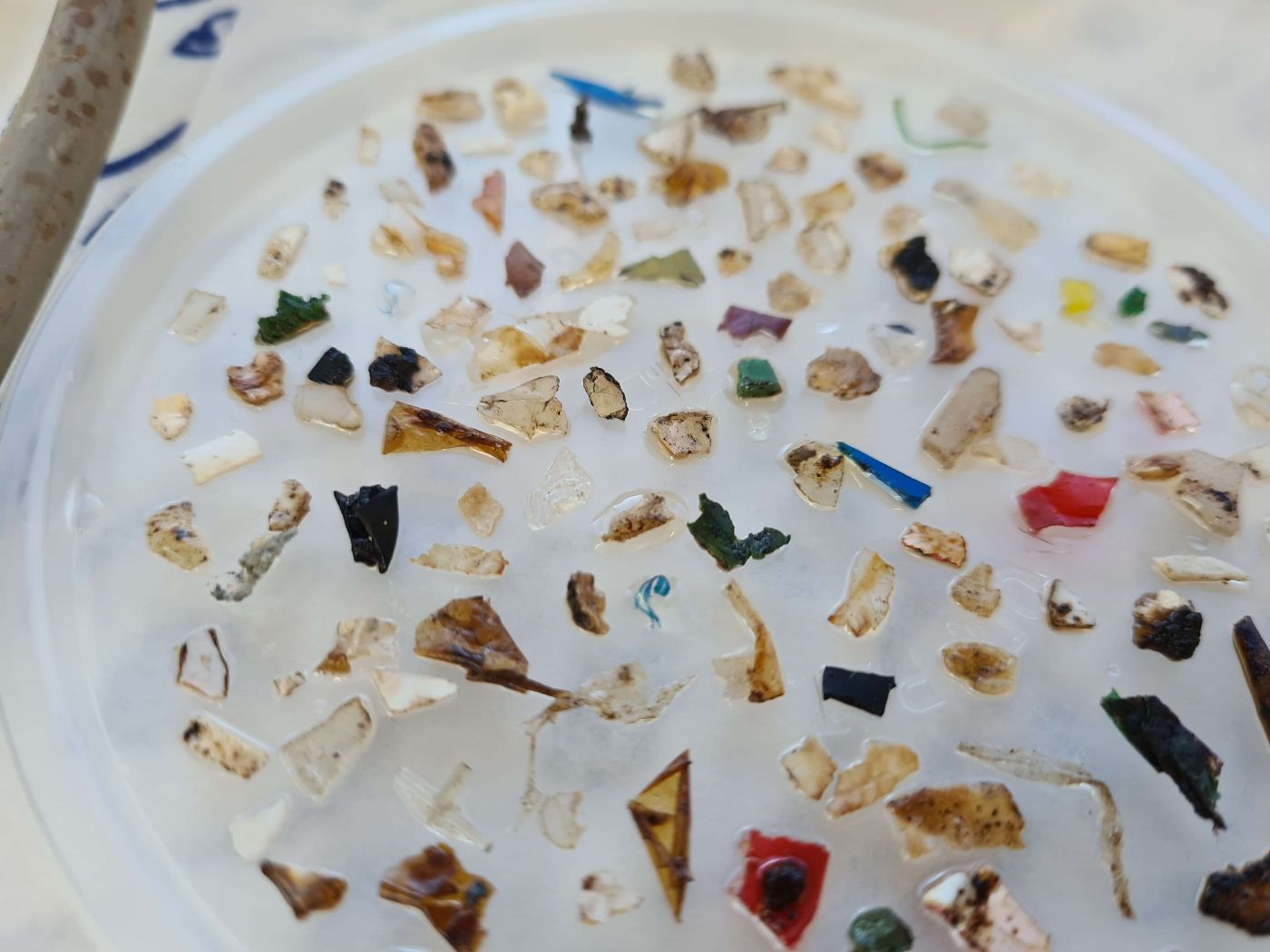
Figure 5.2. Macroplastics present in urban composts.
6) Soils are a fragile and little-visible resource for the general public, despite the critical role they play in climate regulation, food security and biodiversity. Bringing soil science to land managers, farmers, policymakers and citizens is an essential part of PROTECSOLS' mission. We do this through direct transfer to public administration, training sessions for technicians, outreach activities for non-specialized audiences, training for new researchers and university teaching at the UAB.
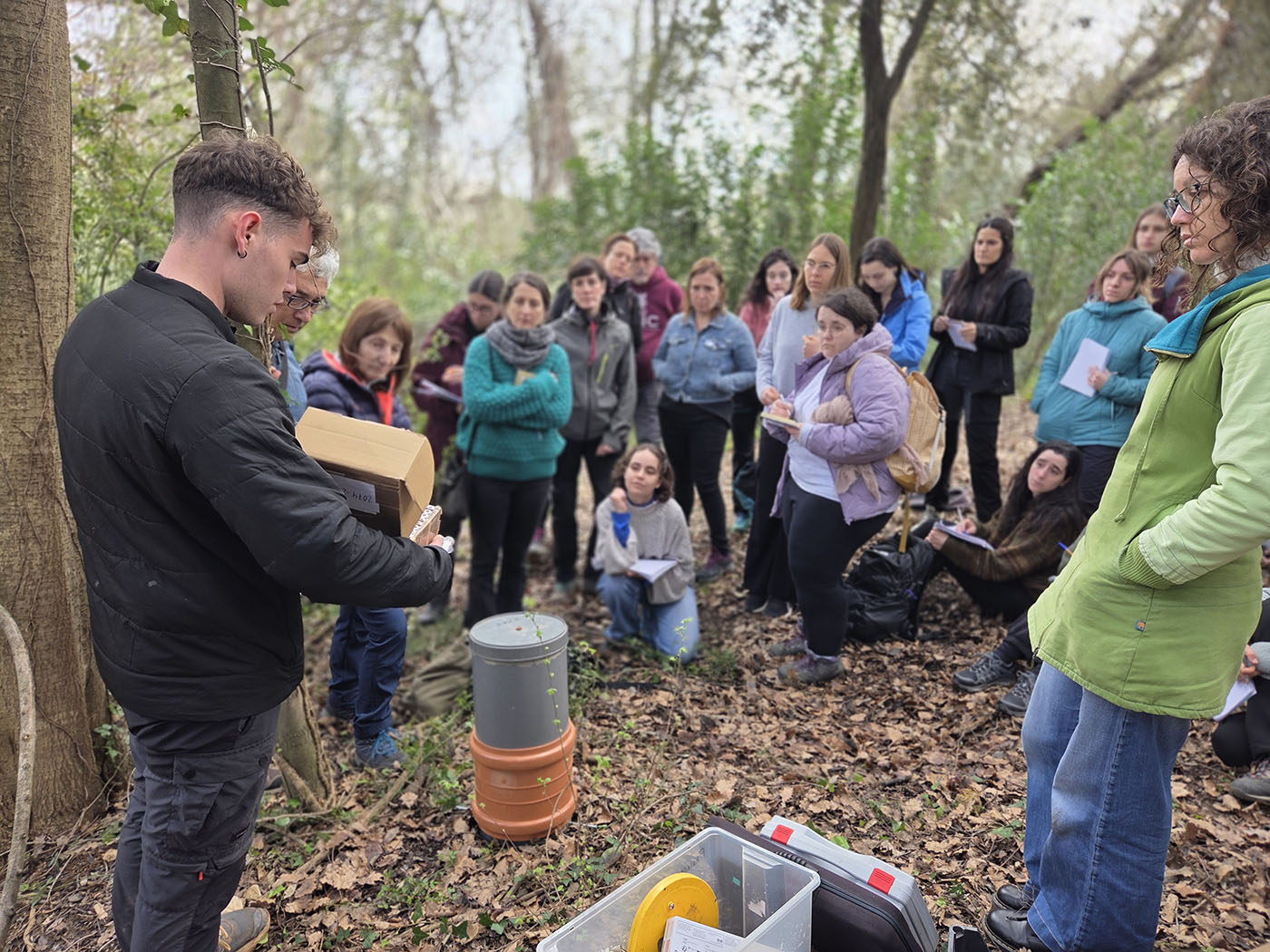
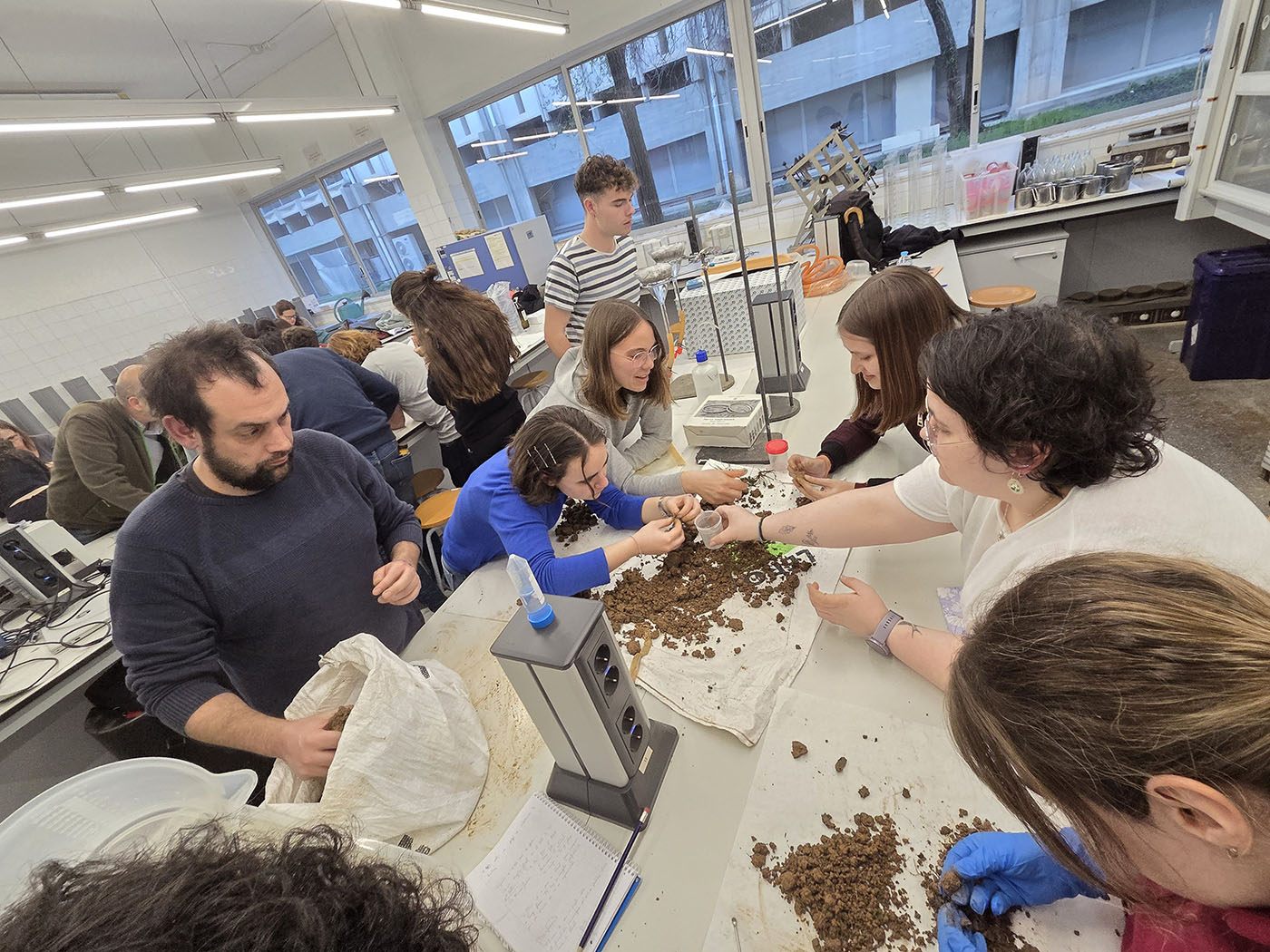
Figure 6.1 i 6.2 FieldDays for doctoral students from different centers in Spain, organized within the framework of the SOILNET project
Our work has contributed to pioneering soil restoration practices in Catalonia, particularly through collaborations with public agencies such as the Catalan Waste Agency, the Directorate General for Environmental Quality, the Catalan Water Agency, and the Directorate General for Mobility Infrastructure. These collaborations have improved soil biodiversity, water retention, and carbon sequestration capacity in many degraded landscapes.