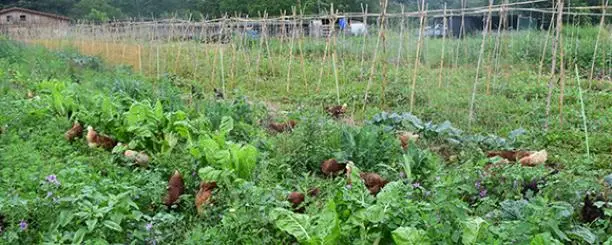

Sowing flower strips between fruit tree rows, installing small bee hotels, placing straw bales to create nesting substrates, and reducing the use of pesticides are some of the actions carried out to enhance the presence of wild pollinators in crops.


Wild pollinators such as bees, butterflies, and hoverflies are essential for agriculture — they travel from flower to flower to feed and, in return, help plants reproduce and produce fruits and seeds. Despite their importance, however, they are in serious decline across Europe.
To reverse this trend, the European project RestPoll (Restoring pollinator habitats across European agricultural landscapes) was launched in 2024. Its goal is to implement and evaluate simple practices that benefit wild pollinator communities in agricultural landscapes. To do so, a wide range of case studies have been set up in 16 European countries through so-called “Living Labs” — open-air laboratories where restoration measures are being implemented in various agricultural contexts. All actions are carried out in close collaboration with all relevant actors, including the scientific community (from ecology, agriculture, and sociology), as well as farmers, land managers, and policy makers.
The RestPoll project is led by the University of Freiburg (Germany) and involves 24 European institutions, including CREAF and IRTA, which coordinate the pilot activities in Catalonia.
Catalonia hosts the 2025 annual meeting
At the end of each year, the universities and research centres involved in the project meet to share updates on the progress of the different working groups and the evolution of the Living Labs in each country. This year, Barcelona hosted the 2025 annual meeting, which brought together more than 60 researchers from across Europe, with IRTA and CREAF acting as hosts.
The meeting included two days of intense presentations, discussions, and collaboration sessions at Barcelona’s HubSocial, followed by a field visit to some of the Living Labs of the Catalan case study, located in apple orchards at Mas Badia (Baix Empordà, Girona).
There, researchers from IRTA and CREAF explained the experiments being carried out in apple orchards in Lleida and Girona to enhance wild pollinator presence — such as “sowing flower strips between tree rows, installing small bee hotels, placing straw bales to create nesting substrates, and reducing the use of pesticides,” explains Laura Roquer, CREAF researcher and coordinator of restoration activities in Catalonia.
Sowing flower strips between fruit tree rows, installing small bee hotels, placing straw bales to create nesting substrates, and reducing the use of pesticides are some of the actions carried out to enhance the presence of wild pollinators in crops.
Laura Roquer
To make the most of the visit and better understand the harvesting, distribution, and marketing processes of the local apples, participants visited the Fructícola Empordà Cooperative, where they also had the chance to taste different apple varieties grown in the region. The day concluded with a visit to the orchards and facilities of Mooma Cider House, which is also part of the RestPoll Living Labs network — providing orchard rows for experiments and actively participating in the co-design of restoration measures.

RestPoll meeting at the LivingLabs in IRTA’s apple orchards in Mas Badia. Photo: Galdric Mossoll

RestPoll meeting in Barcelona. Photo: Galdric Mossoll

Group photo from the RestPoll meeting at Mooma Cidery, in Baix Empordà. Photo: Galdric Mossoll

Participatory co-creation sessions during the RestPoll meeting in Barcelona. Photo: Galdric Mossoll
The decline of wild pollinators: a shared concern
All research teams highly valued this meeting as an opportunity to share experiences, knowledge, and highlight the importance of research — but above all, to underline that the loss of wild pollinators is a global concern. Nevertheless, the scientific network and its collaboration and knowledge transfer with the agricultural sector are becoming stronger, and in fact represent one of the main goals of the project.
In Catalonia, the conservation of wild pollinators is also a top priority. For this reason, the Department of Territory, Housing and Ecological Transition is promoting the Intersectoral Plan for the Conservation of Wild Pollinators of Catalonia (PIPOL). This plan, based on an assessment of the conservation status of wild pollinators in Catalonia, sets out a series of priority objectives and over thirty specific actions to reverse their decline by 2030.
YOU MAY ALSO BE INTERESTED IN