The Climate, Plant and Soil Interactions Lab (CLIPS) investigates how climate change and plant traits shape soil microbial communities and biogeochemical cycles across natural and managed ecosystems.
By combining field experiments, advanced isotopic techniques, molecular approaches and ecological theory, we uncover the mechanisms that regulate carbon sequestration, nutrient cycling and ecosystem resilience under global change.
CLIPS brings together expertise in soil biogeochemistry, microbial ecology, plant–soil interactions and global change ecology to address major environmental challenges of the 21st century
.
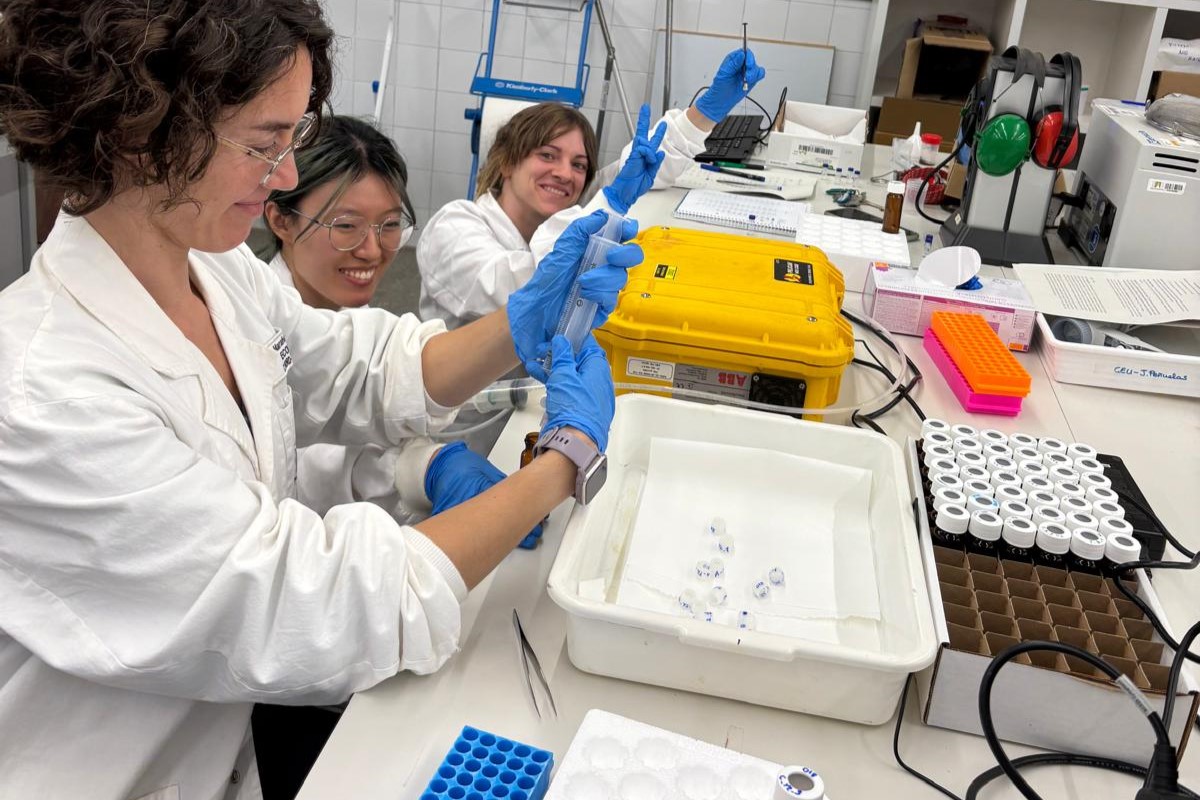
Photo authorship: Martina Gonzalez
Soils contain the largest terrestrial carbon reservoir and host diverse microbial communities that regulate nutrient cycling, carbon storage and ecosystem functioning. Yet, how these processes respond to climate change remains one of the greatest uncertainties in Earth-system science.
At CLIPS, we seek to understand the mechanisms linking climate, plants and soil microorganisms, generating knowledge that supports climate change mitigation, ecosystem resilience and sustainable land management.
.
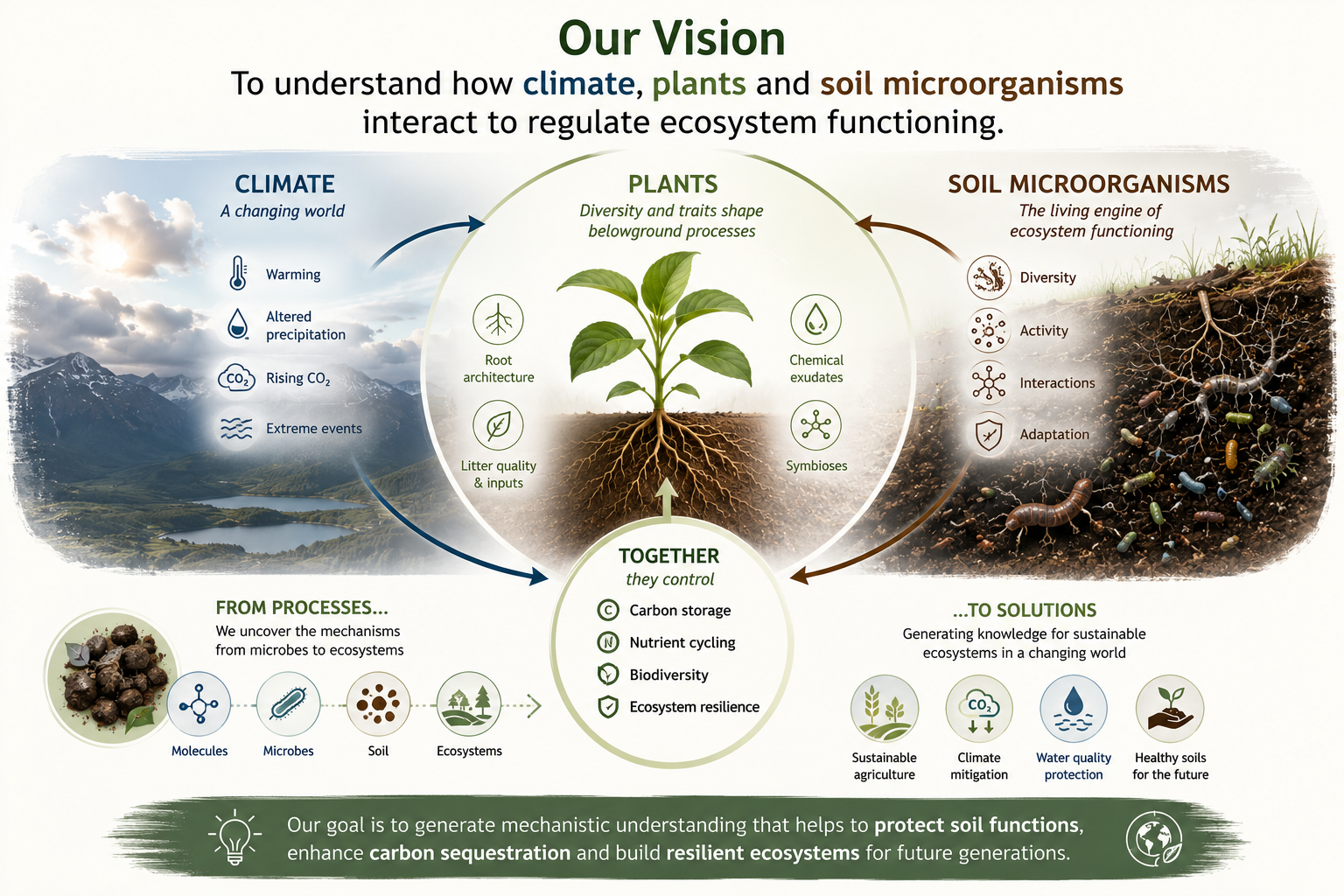
Image generated using artificial intelligence
We investigate how warming, drought and other global change drivers affect soil microbial activity, nutrient cycling and ecosystem carbon dynamics across ecosystems ranging from Arctic tundra to Mediterranean forests and agricultural systems.
Key questions
• How do soil microorganisms respond and adapt to climate change?
• How resilient are carbon and nitrogen cycles to warming and drought?
• What controls ecosystem carbon losses, gains and stabilization?
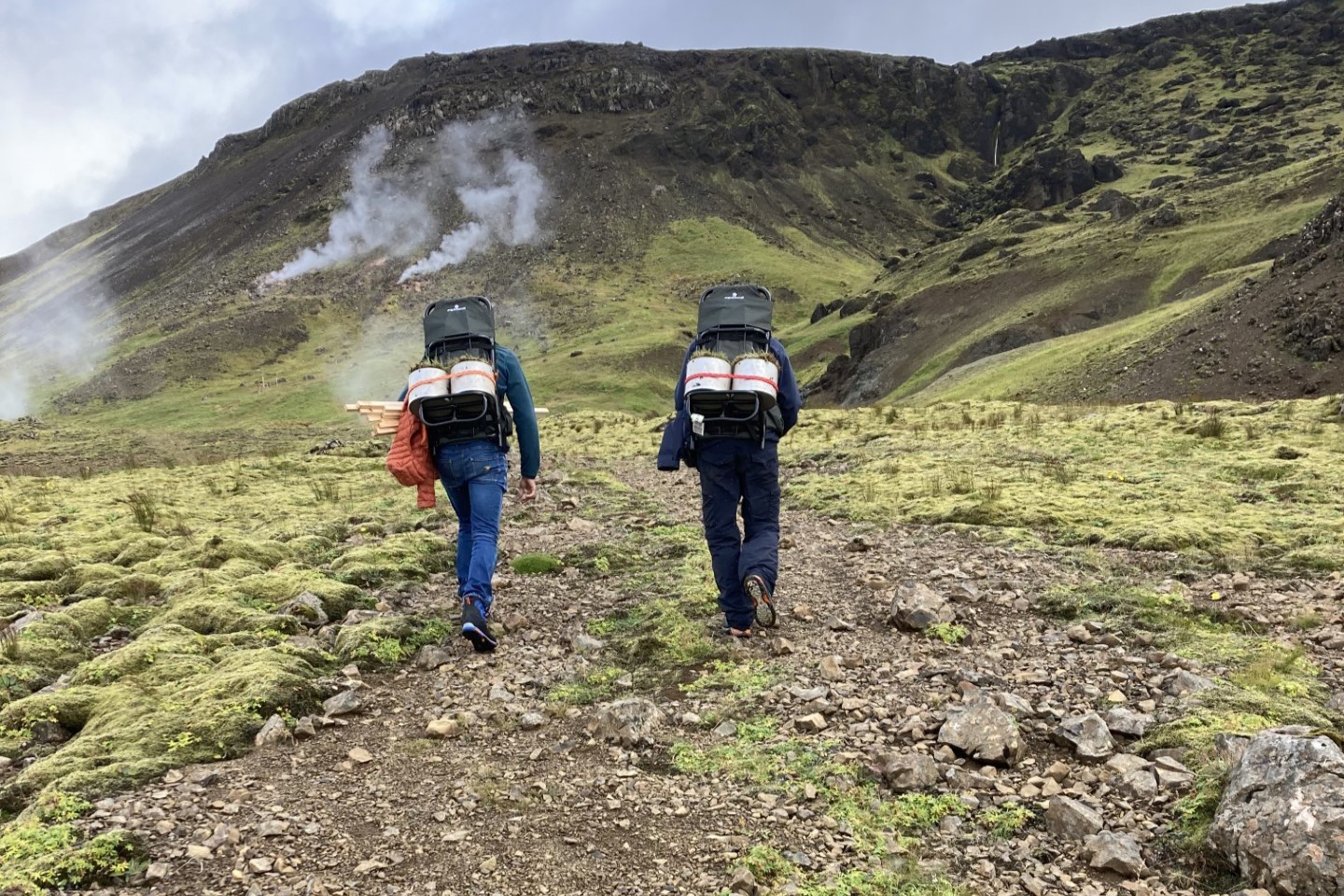
Photo authorship: Sara Marañón
We study how plant traits, species identity and crop domestication influence soil microbial communities, ecosystem functioning and long-term carbon storage.
Key questions
• How do plant traits regulate microbial activity and nutrient cycling?
• How has crop domestication altered soil ecological processes?
• Which plant–soil interactions promote soil health and carbon sequestration?
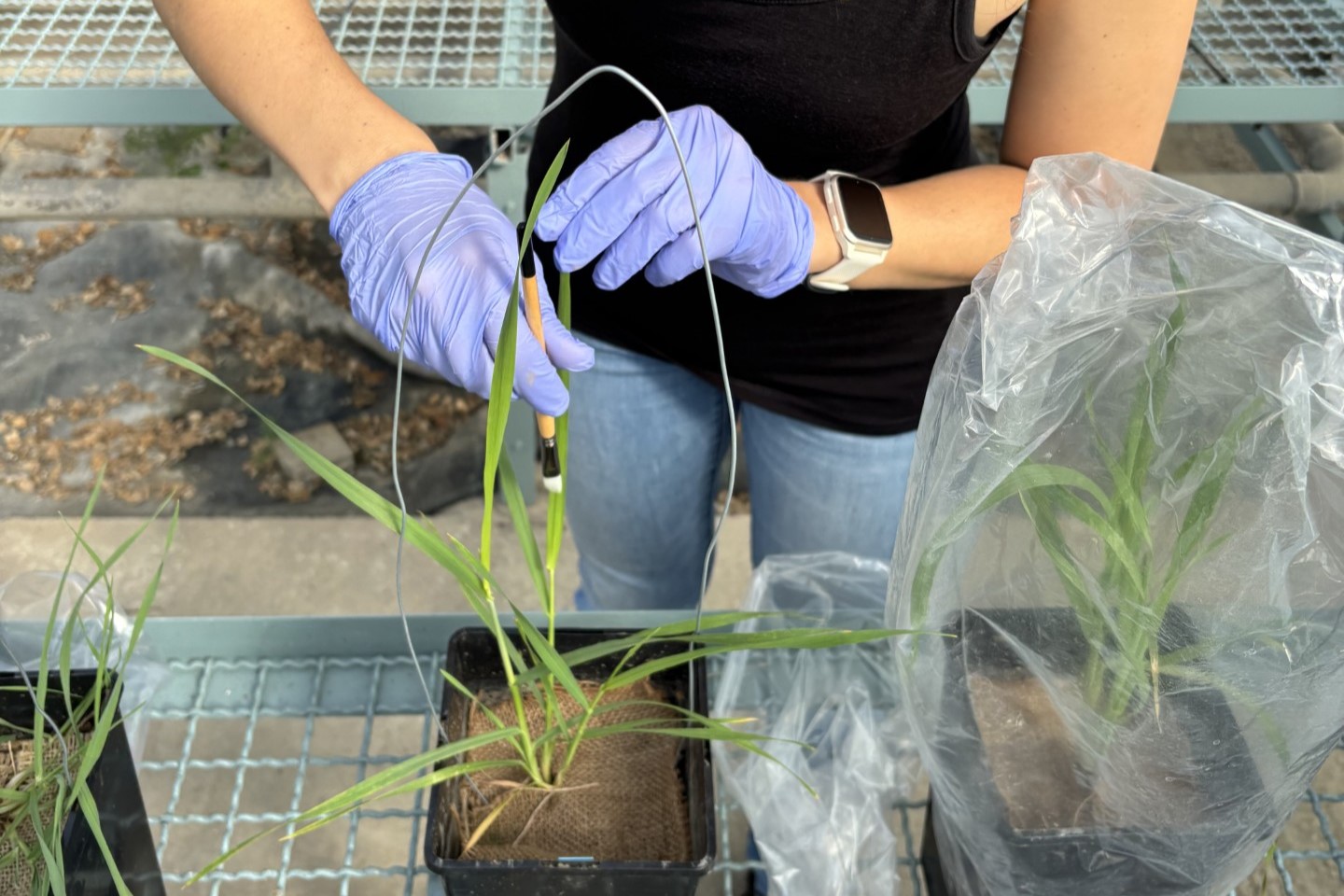
Photo authorship: Martina Gonzalez
Using advanced isotopic and molecular approaches, we investigate the microbial mechanisms underlying nutrient transformations and carbon stabilization.
Key questions
• Which microbial communities drive key ecosystem processes?
• How do microorganisms regulate carbon storage and nutrient availability?
• What controls microbial efficiency under global change?
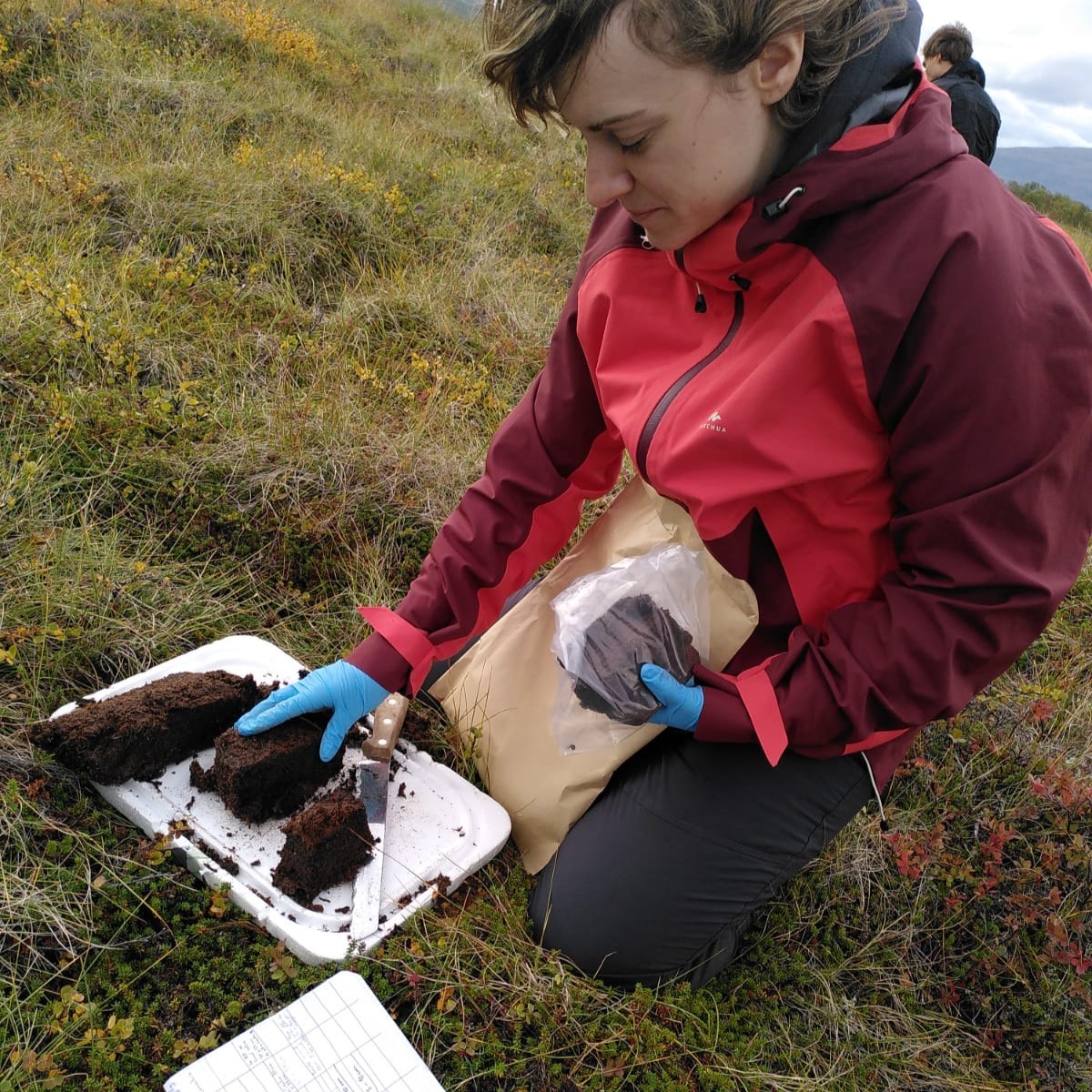
Photo authorship: Ana Zevenhuizen
CLIPS integrates complementary approaches across biological and spatial scales:
• Climate change experiments and ecosystem transplants
• Natural warming gradients
• Stable isotope tracing and isotope pool dilution
• Stable isotope probing (SIP)
• Soil microbial community analyses
• Carbon fractionation (POM, MAOM and microbial necromass)
• Field and laboratory biogeochemistry experiments
This integrative framework allows us to uncover the mechanisms driving ecosystem responses to environmental change.
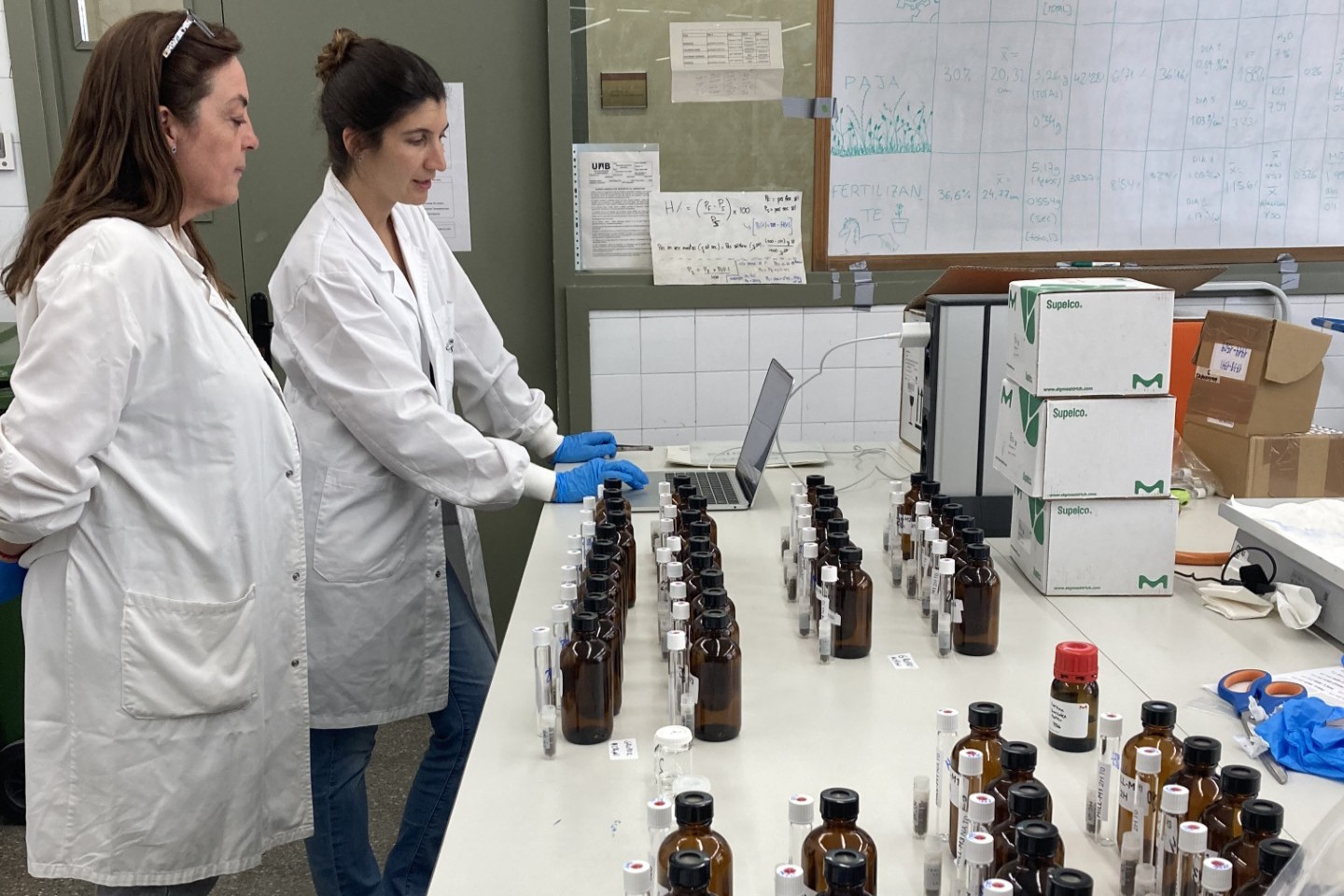
Photo authorship: Martina Gonzalez
The future of ecosystems depends on how climate, plants and soil microorganisms interact. These interactions regulate carbon sequestration, nutrient cycling, food production and ecosystem resilience, ultimately influencing Earth's capacity to mitigate climate change.
By generating mechanistic understanding of climate–plant–soil interactions, CLIPS contributes to improving Earth-system predictions and developing science-based solutions for climate mitigation, ecosystem restoration, regenerative agriculture and sustainable land stewardship.
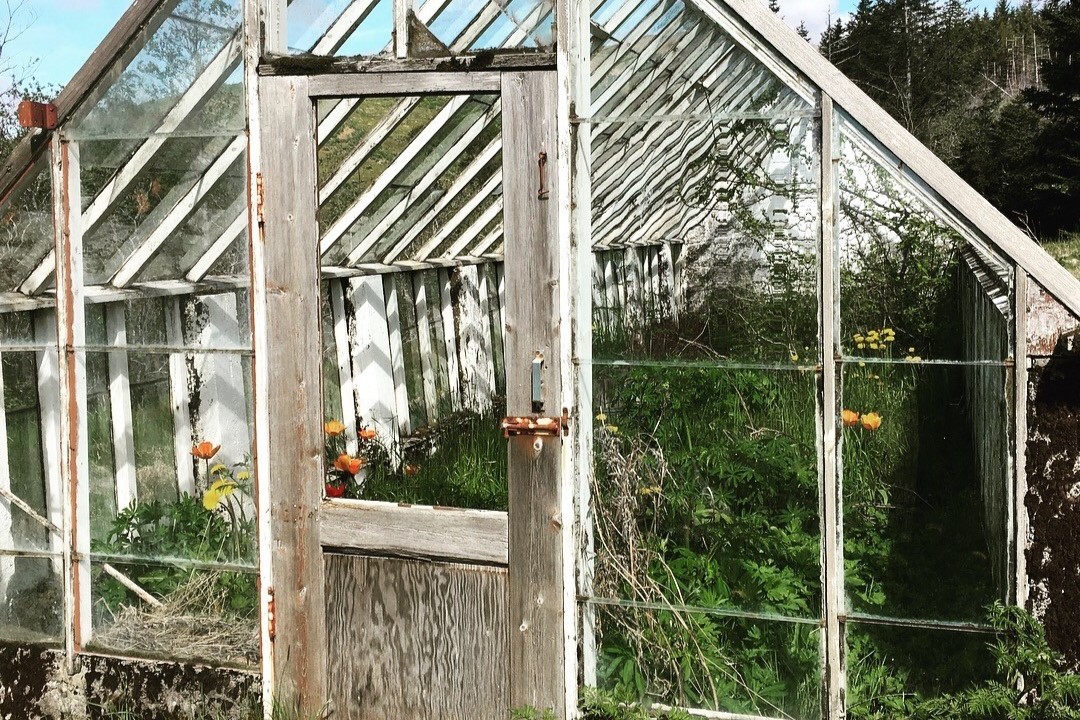
Photo authorship: Sara Marañón