The Mas de Melons Nature Reserve is home to more than a hundred different species of bees

The Mas de Melons Nature Reserve, an agricultural area in the Secans de la Plana de Lleida, has registered the presence of nearly a hundred different bee species this year. These are the first results of the wild bee monitoring program that the Department of Territory, Housing and Ecological Transition has launched in this protected natural area located in Castelldans. The objective of this initiative, coordinated by CREAF, is to inventory and document the main pollinators in the nature reserve, as well as to learn about their population trends over the years.
The pseudo-steppe and agricultural ecosystems of Catalonia present a great biodiversity of plants and arthropods, among which there are species of great biogeographical relevance and rare on a global scale. As for wild bees, the surveys of this first spring of the monitoring program have detected the presence of nearly 100 species of bees, grouped into 33 genera and five families, although these numbers will increase significantly when all the captured specimens are determined and as the monitoring progresses. In general, Mediterranean species predominate, among which those typical of open habitats stand out, such as mosaics of crops, fallows and wastelands surrounded by Mediterranean forests and scrub.
Among the detected species there are common ones more or less widely distributed in the Catalan and Iberian territory, such as Andrena bicolorata, Andrena leucolippa, Panurgus cephalotes, Anthophora romandii, Anthophora crinipes, Nomada agrestis, Colletes similis, Chelostoma edentulum, Osmia tricornis or Protosmia capitata. Other quite rare species have also been found in Catalonia, such as Andrena farinosa, Andrena hystrix, Flavipanurgus granadensis, Amegilla savignyi, Eucera caspica, Nomiapis paulyi, Dufourea trautmanni, Icteranthidium grohmanni, Hoplitis papaveris, Osmia ferruginea, Megachile melanogaster, Megachile sicula and Systropha grandimargo , the latter included in the catalog of threatened species of Europe with the vulnerable category.
Finally, it is worth highlighting the discovery of some species that have so far been very poorly documented in Catalonia and with a marked preference for arid areas, such as Anthophora hispanica, Anthophora leucophaea, Eucera brachycera, Eucera tricincta and Afranthidium carduele .

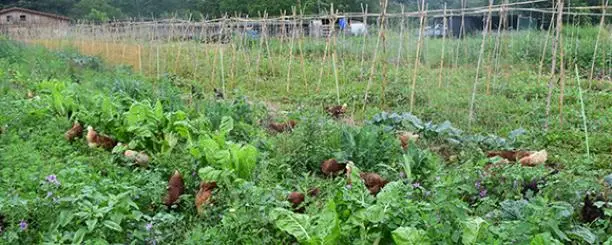
Bushes and crops in the Partial Nature Reserve of Mas de Melons (Lleida).
These first months of the species research and inventory campaign have coincided with a very rainy spring with an abundance of floral resources followed by a very hot start to summer, which has suddenly truncated the flowering of the plants, limiting food resources. It has also been possible to verify and quantify that the honey bee ( Apis mellifera ) is, by far, the most abundant bee in the reserve . Of all the observations made along the transect during the spring months, 70% correspond to this managed species.
The group of wild bees has great ecological importance as pollinators of numerous wild plants and the vast majority of crops, contributing to the production of seeds and fruits, being even more efficient in this ecological function than the well-known honey bee. In this sense, the Department of Territory, Housing and Ecological Transition promotes the Intersectoral Plan for the Conservation of Wild Pollinators of Catalonia (PIPOL) which, among other measures, includes increasing knowledge about wild pollinators and improving their management in protected natural spaces.
YOU MAY ALSO BE INTERESTED IN
YOU MAY ALSO BE INTERESTED IN