Cultivating the land to combat climate change and resist drought



Drought and farmers' revolt, two issues closely linked to the climate emergency and the land, have been in the media spotlight for several weeks. Is there any way that the damaged primary sector is precisely the one that drives climate change mitigation? Yes, by driving a change in the food production model. Leaving behind overgrazing, intensive agriculture and deforestation to put the health of the soil and nature at the center of the system, what we call regenerative agriculture. In order to promote this agricultural model, CREAF is starting the RegeneraCat project with funding from the Agency for the Management of University and Research Grants (AGAUR); a two-year initiative that will combine the experience of 4 farms in Catalonia that have been implementing regenerative agriculture in vineyards, vegetable gardens and fruit trees for several years, among others. All four, one from each province of the territory, have already experienced improvements in soil quality and biodiversity, but thanks to the project they will provide scientific data to these observations.

"The objective is to assess at different scales and with various farmers the potential of the regenerative model to respond to the main environmental challenges."
JAVIER RETANA , professor of ecology and principal investigator of the project.
Specifically, CREAF research teams will collaborate with the BETA technology center of the University of Vic–Central University of Catalonia to take samples from the regenerative plots and compare them with other conventional plots in the same region. “This way we will be able to observe the differences in the quantity and diversity of pollinators, soil fauna, soil quality and fertility and crop productivity, among others,” explains Retana.
The regenerative model is based on eliminating tillage, chemicals and heavy machinery, maintaining plant cover and in some cases including livestock. “It is proven that these practices favor the biodiversity of the environment and considerably increase the fertility of the soil and its ability to cope with climate change and drought,” concludes Retana.
Wetter and livelier land in a drought context
The farms participating in the RegeneraCat project already have results that demonstrate the benefits of regenerative agriculture. This is the case of Planeses, a vegetable and livestock farm in La Garrotxa where CREAF has been implementing this model for almost 8 years.
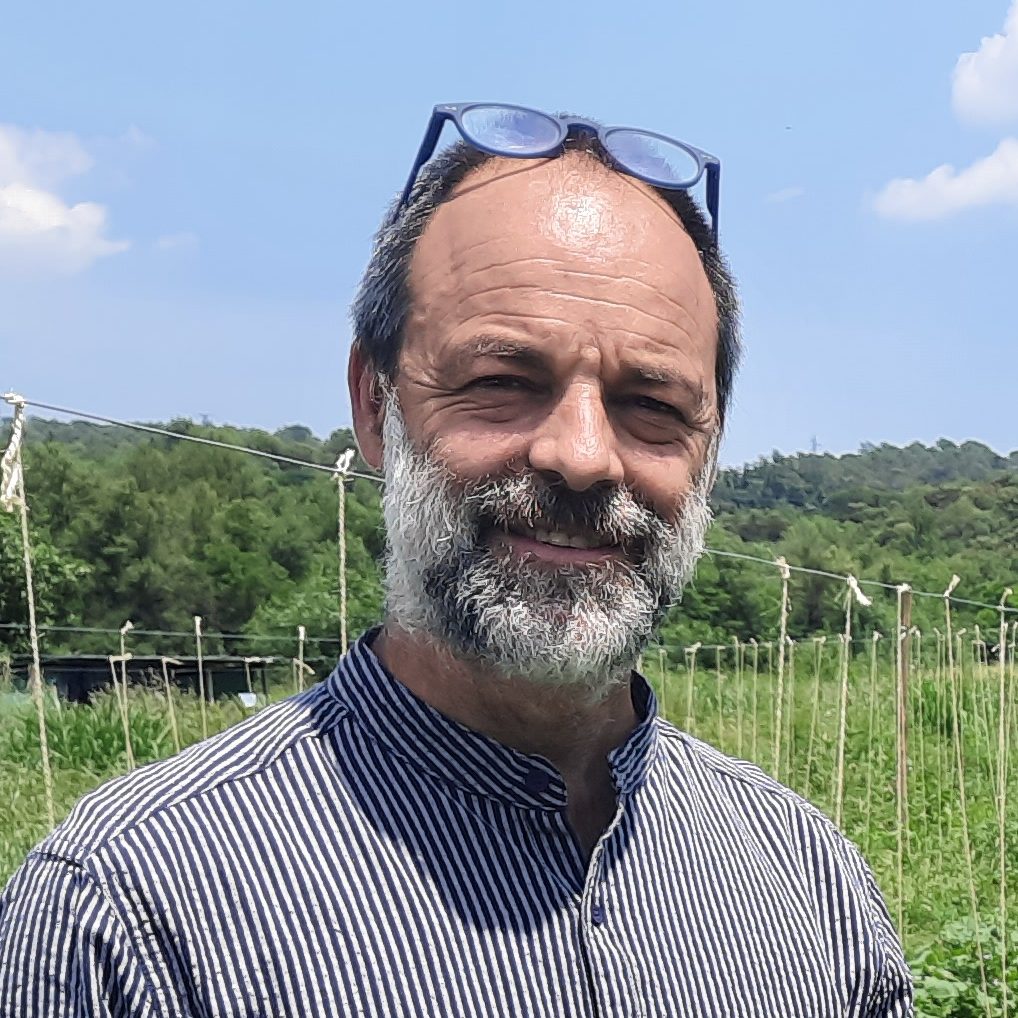
“One of the key data is that in the last five years, in the Planeses soil, organic matter has almost tripled and the capacity to retain water has increased by 15-20%.”
MARC GRÀCIA , CREAF researcher and coordinator of the work on the farm Planeses
Because it can retain more water, this soil is better able to adapt to extreme drought conditions and absorbs much more atmospheric CO2, storing it as carbon in the soil. “All this allows us to mitigate climate change with relatively simple agricultural practices,” adds Marc.
Regenerative practices improve soil health, making it more resilient to climate change conditions.
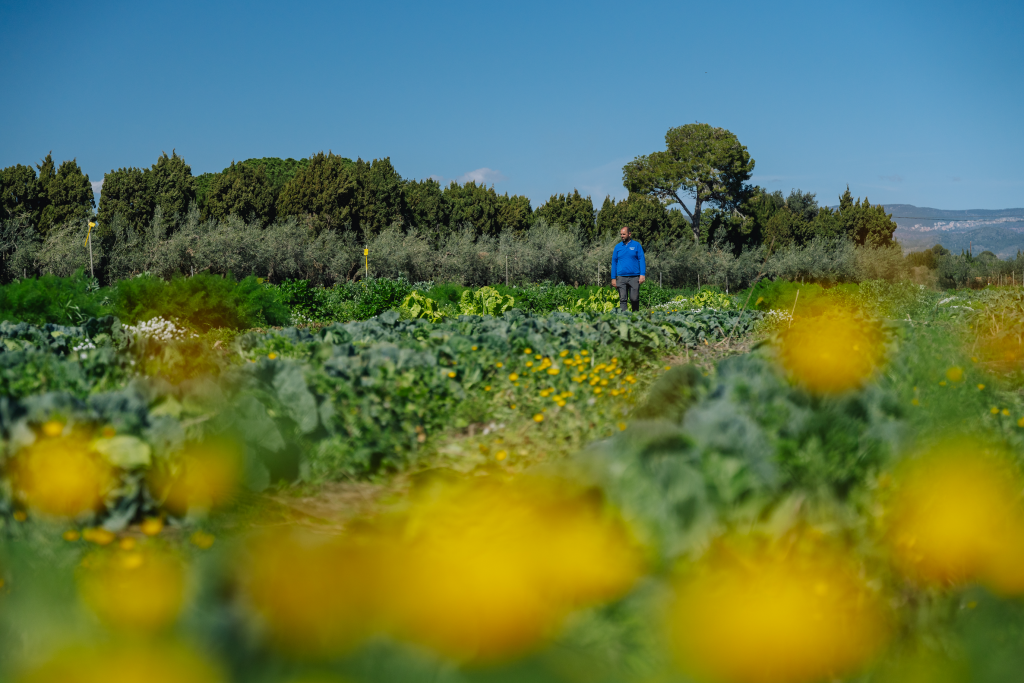
The researcher has also noted a very significant increase in biodiversity. Accordingly, recent studies reveal that in a walk through a regenerative pasture or orchard we can find six times more pollinators than in a non-regenerative plot. This increase has also been noticed by Ernest Mas, farmer of VerdCamp Fruits, another of the project's farms. In his large orchard in Cambrils, the practice of floral intercropping stands out, that is the planting of flowers between crops to promote biodiversity "we have observed a large increase in butterflies, bees and auxiliary fauna in the fields that helps us have fewer pests and that the crops are better pollinated; this means that in many cases our production improves".
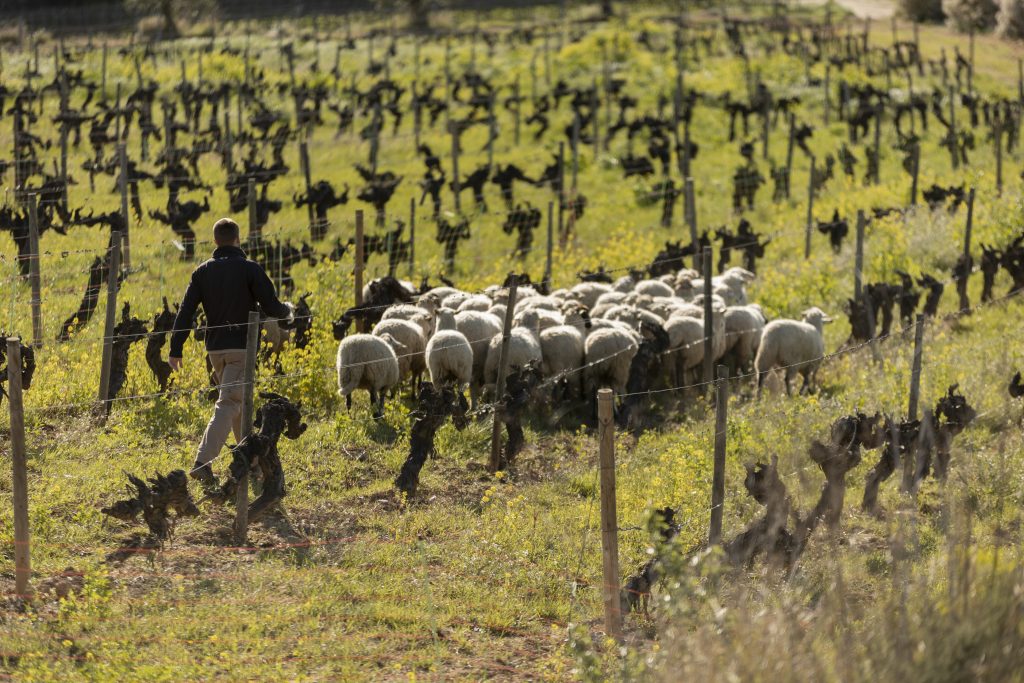
Grazing sheep among vineyards
A little further north, in the heart of Alt Penedès, we find the Mas La Plana estate, where Familia Torres has been applying regenerative viticulture for three years. In their case, they use three flocks of sheep to graze the vineyards between the end of the harvest in October and the appearance of the shoots on the vines at the end of March. “The flock works to improve the fertility of the soils naturally and helps maintain a homogeneous plant cover,” explains Eva Bertran, head of microbiological research and development at Familia Torres. “Establishing this new model is a slow process; the first few years are complicated, but in the long run it will be more beneficial and is part of our commitment to tackling climate change,” says Bertran.
This wonderful tandem of regenerative agricultural and livestock plots is completed by the family fruit tree farm of Pomona Fruits in Ivars d'Urgell (Lleida), which began implementing this model 12 years ago. On this farm, the regenerative cultivation of apples and pears results in sustainable production and a very high product quality.
“This project will provide knowledge and experience to produce food in a truly sustainable and viable way in the future,” concludes Retana.